
Walking the Camino de Santiago alone: a first-time guide
Plan your first solo Camino: route, stages, budget, backpack and arrival day. Practical ideas for meeting people while keeping your own pace.
Updated on 11 October 2026
Plan your first solo Camino: route, stages, budget, backpack and arrival day. Practical ideas for meeting people while keeping your own pace.
Updated on 11 October 2026Doing the Camino de Santiago alone can mean many things: traveling without acquaintances, walking a few hours in silence or wanting to decide each stage without negotiating schedules. It doesn't necessarily mean avoiding other people. And it doesn't force you to end up integrated into a group either.
If you are considering going on your own, it is not useful to promise yourself that "everything will be fine." It is preparing the decisions that will depend on you: route, effort, contact with someone you trust and room to change plans. This guide is about that, without making company a condition for enjoying the Camino.
If you have never walked the Camino, start with a plan you can explain in a few lines. You do not need to decide every conversation or stop in advance, but it helps to settle these points:
Travelling independently means organising the trip yourself; walking alone describes your company. You can do both, share just part of a stage or change your mind along the way.
Before choosing dates, think about what you are looking for. Maybe you need social breaks; Maybe you want to meet people, but you haven't found anyone on your vacation. They are different situations and do not need the same solution.
You can organize independently and share a conversation when you're done. You can walk with someone for a while and say goodbye when your rhythms separate. You may also prefer to keep to yourself. Being clear about that preference makes it easier to say it without feeling like you have to justify yourself.
A good starting question is: «What decisions do I want to keep for myself?». It could be departure time, how long to stop, when to talk or how much to spend. If you end up sharing part of the journey, those answers will help you set simple boundaries.
There is no route that guarantees company, good weather or absence of problems. Examine the stages, terrain and services for the specific dates you are interested in. An experience told in summer does not automatically describe the same place in winter.
If it's your first time, avoid choosing just based on the number of days it took someone. Check profiles and distances, and compare what they require with outings you have made. Our guide from Sarria to Santiago in five, six or seven days shows why adding one day does not always make all the others shorter.
Traveling alone also makes it more important to think about alternatives: what will you do if you need to stop earlier than planned? Who will you notify? How will you review the available options? Preparing for that possibility does not spoil the adventure; avoids having to improvise everything at a bad time.
The first day does not have to prove anything. In addition to walking, you will be learning how it is for you to carry your backpack, when you prefer to stop and how long it takes you to organize yourself. If the itinerary only works by maintaining a perfect rhythm from minute one, it is worth reviewing it.
Separates reaching the starting point from completing a stage. Check what you need when you get off the transport and avoid a connection that is too tight if you later depend on another service.
Also test the luggage beforehand. In what to carry in your Camino backpack you will find an adaptable list, without forcing you to buy specific items or carry everything that appears in a photo.
The Civil Guard advises, among other measures, to follow the marked paths, prioritize daylight hours, keep the telephone operational and communicate the itinerary to trusted people. It also recommends traveling accompanied, especially in certain vulnerable situations. It would not be correct to present their advice as a guarantee of safety to go alone. Official recommendations for the Camino de Santiago.
If you decide to travel on your own, organize a form of contact that is comfortable for you and protect the information you share publicly. An emergency is attended to through the corresponding services —112—, not waiting for someone to respond on a social network.
None of these precautions eliminate all risks. If a situation makes you uncomfortable, you can walk away, find an attended place and ask for help. You don't need to continue a conversation or a shared stretch out of commitment.
The conversation can appear in a simple way, without a group plan: a question about the stage, a pause or a chat at the end. You don't need to turn every meeting into a commitment for the next day.
If you decide to share a section, clarify something specific: "I'm going to that point and then continue at my own pace" or "Today I feel like walking more slowly." It is not a lack of education; It prevents each person from assuming something different.
It also helps to agree on what you will do if you need to stop. Sharing the Path does not mean that everyone must do exactly the same, nor that a person has to force themselves to not be left behind.
For a personal experience, Petra Baumann shares how she started the Camino alone and what meeting people along the way meant to her. Her story can inspire you without becoming an itinerary you have to copy.
A profile and multiple messages may be used for conversation, but they do not automatically verify anyone's identity, intentions, or experience. Be careful with the information you provide and do not send personal documents to prove that you are a real person.
As a practical criterion, a first meeting in a public place and with an open duration allows you to decide how you feel without compromising the rest of the trip. Maintain your own organization and avoid depending from the beginning on someone you just met.
Iacoboom can be a tool if you feel like finding people; you don't have to use it to form a group. You can also read the blog or ask a question in the Camino forum. Consulting information does not force you to share your plans or change the way you travel.
You can plan the trip without booking a group or setting off with people you know. Check the demands of the route, accommodation and alternatives before deciding. Meeting people can fit with a trip you continue to organise independently.
Start with your available days, the effort you can manage and the services you need. Compare routes for your dates instead of choosing on a supposed guarantee of company. For a start in Sarria, see our stage plans to Santiago.
You don't need to fill every moment with conversation. You can explain naturally that today you prefer to go your own way. Silence may be part of what you are looking for; It doesn't have to be a problem to solve.
It depends on your flexibility and the services available. Having a scheme helps, but it is advisable to consider changes. If your dates are rigid, check beforehand the conditions of each reservation and how you would resolve an unforeseen event.
It can serve as inspiration, but it is not a substitute for reviewing one's own efforts, season, and needs. A chronicle describes what happened to someone; It does not guarantee what will happen to you.
You can change your mind. Going alone is not a test that you must overcome without help, and meeting someone does not force you to stop traveling on your own. The important thing is that the decision remains yours.
To get started, write down a possible route, a realistic distribution of days, a contact person and an alternative plan if you need to stop. Then check the luggage and the details that change with the date.
If you are thinking about the Holy Year, consult the verified information about Xacobeo 2027. What defines your journey is not following someone else's experience: it is preparing a Path that makes sense for you.
Editorial review: September 27, 2026. Planning and coexistence guidelines from Iacoboom, with safety recommendations linked to its official source. It is not a personal testimony or a safety certification of a route.
An exhausted pilgrim, a disturbing offer and three refusals. Discover the Fuente Reniega legend, its setting on the French Way and a place to save for your Camino.
Read article : Fuente Reniega: the pilgrim, the water and the legend of Alto del PerdónA stone, a shepherd and a tradition along the French Way. Discover the real place behind Lúa’s story and plan a visit at your own pace.
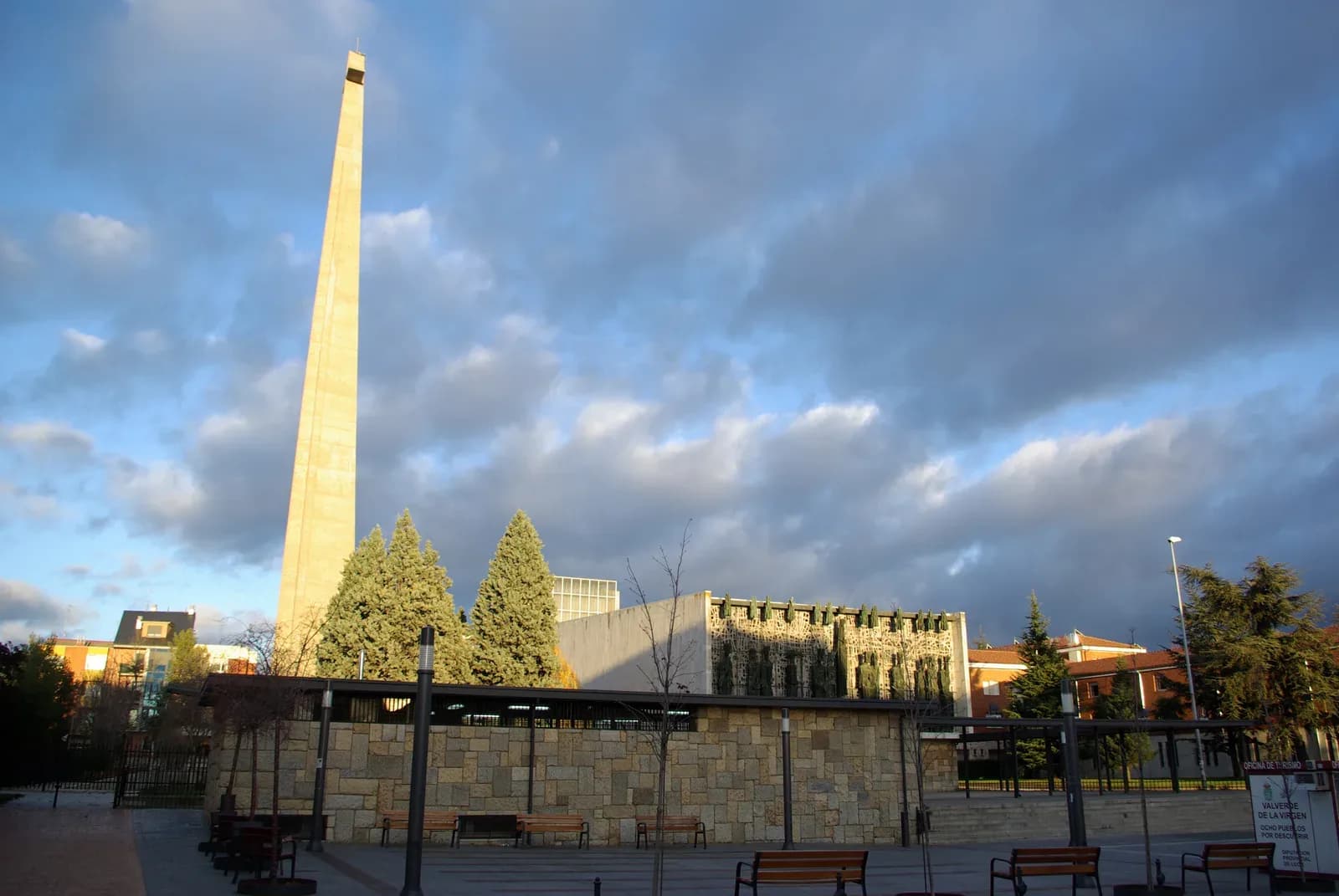
Read article : La Virgen del Camino: the shepherd’s legend and a place to visit near LeónFrom Tui and León to encounters that stay with you: a conversation about fears, companionship and what we take away from the Camino de Santiago.
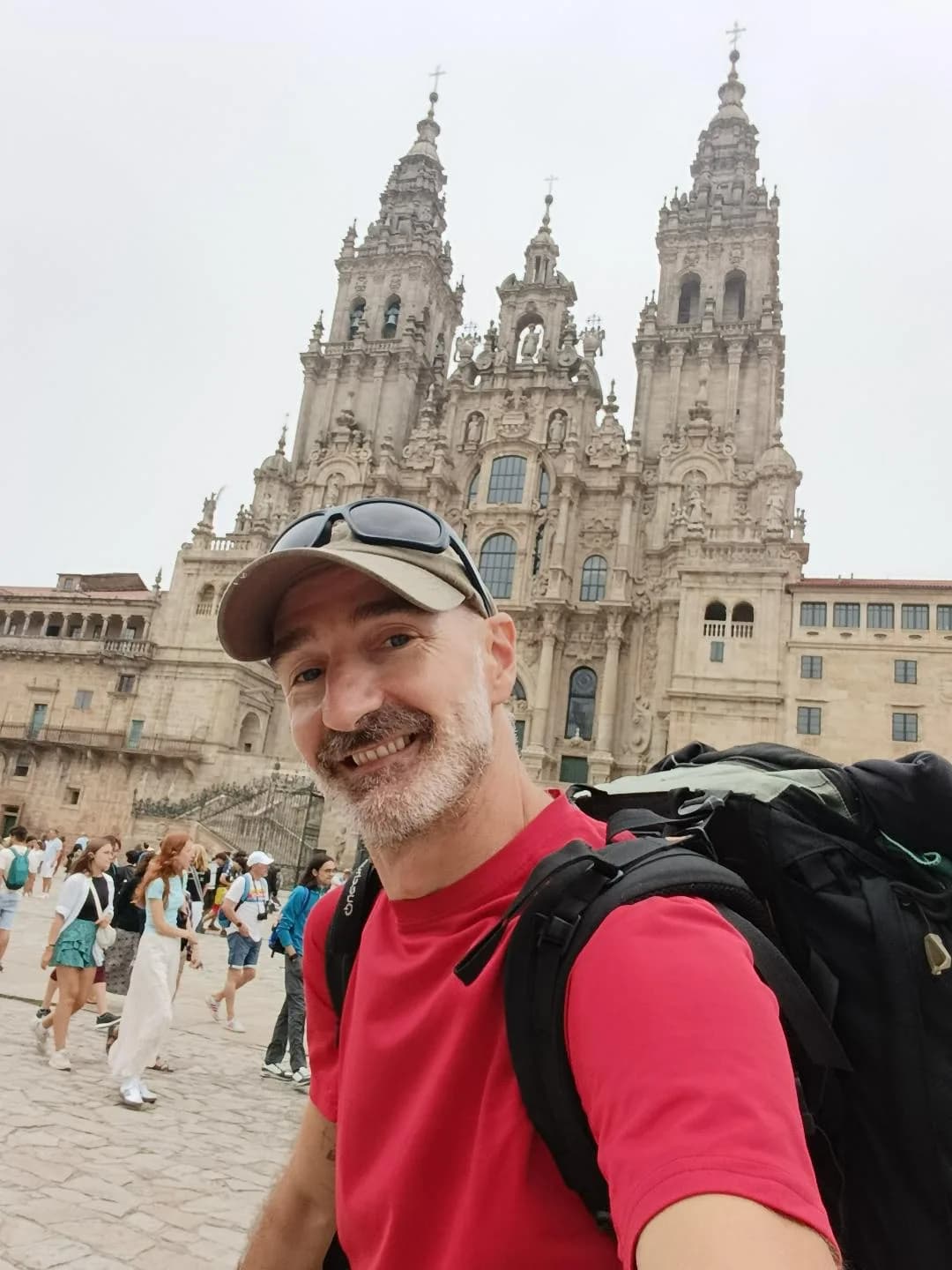
Read article : Walking the Camino alone or with others: the experience of Carlos, el.peregrino.digital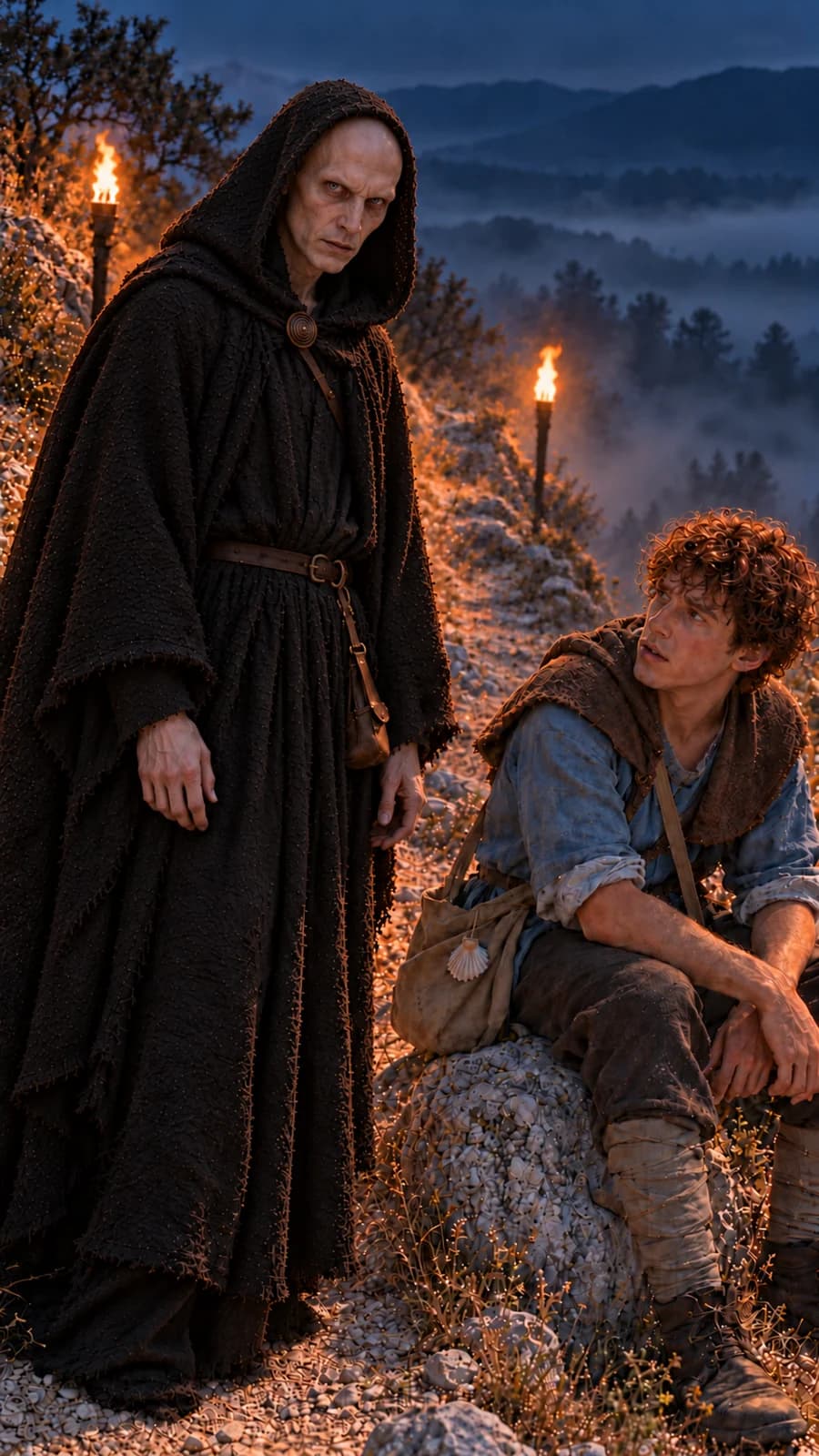
The conversation continues here
Share your experience or ask a question about this article.